Tag: pickleball grips

  • What is the Two-Handed Grip in Pickleball

    The two handed grip in pickleball has gone from being a niche technique to something you now see regularly at higher levels of play. What used to feel unconventional is quickly becoming normal, especially on the backhand side.

    If you’ve ever struggled with backhand consistency, lacked power from the baseline, or felt rushed during fast exchanges, a two-handed grip might be exactly what your game needs.

    Before proceeding further, I would like to reemphasize the fact that the only way these grips will help improve your game is by doing drills regularly. Use rec games as a source of enjoyment, and if you are serious about improving in Pickleball, then drills are the only way to get there.

    What Is a Two-Handed Grip in Pickleball?

    A two-handed grip in pickleball simply means using both hands on the paddle handle during a shot, most commonly on the backhand. The dominant hand stays at the base of the handle, while the non-dominant hand is placed above it for support, leverage, and control.

    This grip borrows heavily from tennis mechanics, but it’s adapted for pickleball’s shorter swings and quicker pace.

    Most players don’t use a two-handed grip for every shot; instead, they rely on it in specific situations where stability and power matter.

    Benefits of the Two-Handed Grip in Pickleball

    More stability on the backhand

    One-handed backhands can feel shaky under pressure, especially when the ball comes fast. The second hand stabilizes the paddle and reduces wrist breakdown, which leads to cleaner contact.

    Easier power without overswinging

    With two hands on the paddle, you can generate power using your shoulders and core rather than your arm alone. This makes baseline backhands and counterattacks feel more controlled.

    Better control on fast balls

    During speed-ups and fast-hand battles, the two-handed grip keeps the paddle face steady. Blocks and counters tend to stay lower instead of popping up.

    Confidence against aggressive opponents

    When opponents target your backhand, having two hands on the paddle removes that feeling of being rushed or exposed.

    When the Two-Handed Grip Works Best

    The two-handed grip will make you feel more comfortable when pace and pressure are involved. For eg, if your opponent has a good serve and he/she is serving deep onto your backhand, countering it with a double-handed backhand drive will help you give a deep return, which will force your opponent to stay at the baseline.

    It’s especially effective for:

    • Backhand drives from the baseline
    • Two-handed roll volleys
    • Countering speed-ups at the kitchen
    • Returning hard serves
    • Backhand passing shots in singles

    Many players also use a two-handed grip on overhead backhands when they’re stretched wide.

    When you should not use the Two-Handed Grip in Pickleball

    Despite its benefits, the two-handed grip isn’t perfect.

    Limited reach

    Using two hands shortens your reach slightly. On wide balls or quick flicks near the net, a one-handed shot may be the better option.

    Slower transitions

    If you’re late getting into position, adding the second hand can slow your reaction time. This is why many players switch back to one hand for reflex volleys.

    Not ideal for soft shots

    Dinks and resets often require a softer touch and wrist freedom. Two hands can make those shots feel stiff unless you deliberately relax the grip. Although this is debatable, as I do recommend two-handed dinks on the backhand side, but the trick is to get into position quickly and identify when to use both hands.

    How to Hold a Two Handed Grip Correctly

    The most common setup looks like this:

    • Dominant hand at the base of the handle (continental or slight eastern)
    • Non-dominant hand above it, usually in an eastern forehand position
    • Both hands relaxed, not squeezing

    The non-dominant hand does more work than most players realize. Think of it as guiding the paddle rather than just supporting it.

    Pro tip: During drills, hit the first 20-30 balls using only your non-dominant hand and then gradually use both hands once you have got a good rhythm going with your non-dominant hand.

    Two-Handed Backhand vs One-Handed Backhand

    The two-handed backhand offers more consistency and power, especially under pressure. The one-handed backhand provides more reach and finesse, which can be helpful at the kitchen.

    That’s why many advanced players use both grips, two hands for drives and counters, one hand for touch and emergency shots.

    Popular opinion: Having a two-handed backhand drive in Pickleball makes you as stylish as having a single-handed backhand drive in Tennis.

    Do Pros Use a Two-Handed Grip in Pickleball?

    Yes, now more than ever. Many top players rely on a two-handed backhand, particularly during fast-paced rallies and aggressive baseline exchanges. The modern game of pickleball is faster, equipements are co,n,stantly upgrading, and the two-handed grip helps players keep up without losing control.

    It’s no longer seen as a beginner crutch. It’s a legitimate, high-level technique.

    Common Mistakes Players Make

    Holding the paddle too tight

    Tension kills control. A relaxed grip leads to better touch and quicker reactions.

    Using it for every shot

    The two-handed grip works best when used selectively. Forcing it into every situation limits your versatility.

    Standing too close to the ball

    Two-handed shots need space. Good footwork is essential.

    How to Practice the Two-Handed Grip

    Start simple:

    • Rally crosscourt using only two-handed backhands
    • Play out a few balls with your non-dominant hand (This is only during drill practice and not warm-ups)
    • Practice blocking speed-ups with both hands
    • Hit baseline drives focusing on shoulder rotation, not arm swing

    Consistency comes from repetition, not power.

    Is the Two-Handed Grip Right for You?

    The two-handed grip is a great option if:

    • Your backhand feels like a weakness
    • You face a lot of pace-heavy opponents
    • You want more control during fast exchanges
    • You play singles or aggressive doubles

    If your game is built around touch and finesse at the kitchen, you may only need it occasionally. However, I recommend having the Two-handed backhand in every player’s arsenal.

    Final Thoughts

    The two-handed grip in pickleball isn’t just a trend, as it is a response to how fast Pickleball has become. Used correctly, it adds stability, confidence, and power without sacrificing control.

    The key is knowing when to use it and when to let go. Once you find that balance, the two-handed grip becomes a reliable tool rather than a limitation.
  • What is Western Grip in Pickleball

    The Western grip in pickleball tends to split opinions. Some players love the heavy topspin it creates, while others struggle to keep the ball out of the net when using it. Most of that comes down to how pickleball is played compared to tennis. The court is smaller, the ball stays lower, net dimensions are shorter, and points are decided much faster. Because of that, the Western grip isn’t something most players should heavily rely on; however, once you learn when to use the grip, it will definitely elevate your overall game.

    What the Western Grip Actually Is

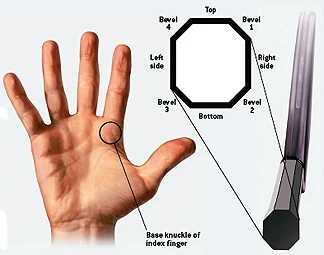
    With a Western grip, your hand sits well underneath the paddle handle. For right-handed players, the index knuckle lands on the fifth bevel, which naturally closes the paddle face. You don’t have to force topspin; it shows up on its own because of how the paddle meets the ball.

    That closed face encourages a steep, upward swing. In tennis, where balls bounce higher, and you have more time, that works beautifully. In pickleball, it’s a lot more situational.

    How do You Know You’re Using a Western Grip

    If your paddle face looks closed before you even swing, that’s a giveaway. Another sign is how much effort it takes to clear the net. Players using a Western grip often feel like they need a bigger swing just to keep the ball in play.

    You’ll also notice that flat shots feel awkward, while brushing up the back of the ball feels natural. That’s the grip doing what it’s designed to do.

    Benefits of the Western Grip

    It creates heavy topspin without much effort

    The biggest advantage of the Western grip is how easily it produces topspin. You can swing hard and still bring the ball down inside the court. For players who like to attack from the baseline, that confidence matters.

    Forehands jump off the court

    When you catch the ball clean, forehands hit with a Western grip tend to kick up after the bounce. In singles, that can push opponents back or force weaker replies.

    It feels familiar to tennis players

    Players coming from tennis often land in a Western grip without thinking about it. The swing mechanics feel comfortable, especially on full forehand swings.

    Also Read: Types of Grips Used in Pickleball

    Where the Western Grip Starts Causing Problems

    This is where most pickleball players run into trouble.

    The soft game becomes harder

    Dinking, drops, and resets require a neutral paddle face. With a Western grip, the face is already closed, so soft shots tend to die into the net unless you consciously open the face. That extra adjustment makes consistency tough.

    Fast exchanges at the kitchen feel rushed

    Pickleball happens quickly at the net. With a Western grip, switching from forehand to backhand takes longer, and blocking speed-ups becomes less reliable. The paddle just isn’t in a neutral position.

    Low balls are difficult

    Pickleball balls don’t bounce high, especially near the kitchen. The Western grip wants the ball up in your strike zone. When contact drops lower, the grip works against you.

    Backhands feel uncomfortable

    Unless you’re using a two-handed backhand, the Western grip makes quick backhand shots awkward. Many players end up late or jammed because the grip isn’t designed for that side.

    Also Read: Types of shots played in Pickleball

    When to use the Western Grip in a match

    The Western grip can still be effective when you have time and height on the ball.

    It works best for:

    • Singles baseline forehands
    • High-bouncing shots
    • Heavy topspin passing shots
    • Full-swing forehand drives

    In these moments, the grip helps you swing freely without worrying about hitting long

    Common Mistakes Players Make With This Grip

    Using it for every shot

    This is the biggest mistake. Pickleball isn’t a baseline-only game. Staying in a Western grip at the kitchen almost guarantees problems.

    Swinging harder instead of smarter

    Because the grip encourages topspin, players often overswing. That leads to timing issues and unnecessary errors.

    Never switching grips

    Better players switch grips without thinking about it. Sticking to one grip limits what you can do and makes your game predictable.

    How Better Players Use the Western Grip

    Advanced players treat the Western grip like a tool, not a default setting. They might use it for an aggressive forehand, then immediately move back to a continental grip as they approach the net.

    That ability to switch grips quickly is what keeps their game balanced.

    Western vs Eastern vs Continental

    The Western grip gives you the most topspin but the least forgiveness. The Eastern forehand grip sits in the middle, offering power with more control. The continental grip is the most reliable choice for net play, defense, and soft shots.

    Most players end up using all three just at different times. Again, the key to being efficient with all three grips is to identify when the right time is to use them.

    Final Thoughts

    The Western grip in pickleball isn’t wrong, it’s just demanding. It rewards good timing and full swings, but it punishes hesitation and poor touch. For most players, the real skill isn’t learning the Western grip; it’s knowing when to let it go.

    Used in the right moments, it can add another layer to your forehand. Used everywhere, it usually does more harm than good.

  • What is Eastern Forehand Grip in Pickleball?

    If you’re looking to add more power and topspin to your pickleball game, the Eastern forehand grip is one of the easiest ways to do it. While the continental grip is the go-to choice for net play and soft shots, many players naturally switch to an Eastern forehand grip when they want to attack from the baseline or put extra pace on the ball.

    This grip isn’t complicated, but using it at the right time is what separates smart players from those who spray balls long.

    What Is the Eastern Forehand Grip in Pickleball?

    The Eastern forehand grip places your hand slightly more underneath the paddle compared to the continental grip. This position naturally closes the paddle face, making it easier to generate topspin and forward drive through the ball.

    Think of it as the grip that helps you hit through the court rather than float the ball.

    If you’ve played tennis before, this grip will feel very familiar.

    If you are a complete beginner then you can learn how to hold a paddle properly here

    How to Find the Eastern Forehand Grip

    Here’s the simplest way to get into the correct position:

    1. Start with a continental grip
    2. Rotate your hand slightly clockwise (for right-handed players)
    3. Your index knuckle should rest on the third bevel of the handle
    4. The paddle face will feel just a bit closed

    A good way to analyse if you are doing it right is:
    If your forehand drive naturally dips into the court with topspin, you’re holding it correctly.

    Why the Eastern Forehand Grip Is So Effective

    Easy power without overswinging

    This grip lets the paddle face stay closed through contact, so you don’t need to swing harder to generate pace. The ball drives forward instead of floating.

    Natural topspin

    Because your hand sits more under the paddle, brushing up the back of the ball feels automatic. This helps shots drop inside the baseline instead of sailing long.

    Better depth on serves and returns

    Many players use an Eastern forehand grip on serves and serve returns because it allows for consistent depth with margin.

    Confidence on third-shot drives

    If you prefer to drive your third shot instead of dropping it, this grip will give you more control and shape through the ball.

    Best use cases of the Eastern Forehand Grip

    The Eastern forehand grip shines in attacking situations:

    • Baseline forehands
    • Third-shot drives
    • Deep serve returns
    • Passing shots in singles
    • Roll volleys from mid-court
    • Forehand speed-ups

    It’s especially popular among players who like to dictate play early in the rally.

    When not to use the Eastern Forehand Grip

    As good as it is to generate power, this grip does have certain limitations

    Soft game struggles

    Dinks, drops, and resets can pop up if you don’t open the paddle face intentionally. That’s why most players switch back to continental near the kitchen.

    Also Read: Types of shots in Pickleball

    Slower transitions at the net

    Fast hands battles require quick forehand-to-backhand adjustments. With an Eastern grip, those transitions take longer.

    Backhand inconsistency

    Unless you’re using a two-handed backhand, the Eastern forehand grip isn’t friendly on the backhand side.

    Common Mistakes Players Make

    Holding the grip too extreme

    Some players rotate too far, turning it into a semi-western grip. This causes balls to dive into the net.

    Using it everywhere

    The Eastern grip works best when used selectively. Trying to dink or block volleys with it often leads to errors.

    Over-swinging

    The grip already creates power. Swinging too hard reduces control instead of increasing it.

    How Pros and Advanced Players Use This Grip

    Most advanced players don’t commit to one grip for the entire point. Instead, they:

    • Use continental at the net
    • Switch to Eastern forehand at the baseline
    • Rotate back quickly during transitions

    This grip awareness is a big reason higher-level players look so smooth and controlled.

    Simple Drills to Practice the Eastern Forehand Grip

    Topspin Drive Drill

    Stand at the baseline and focus on brushing up the ball while keeping shots inside the court.

    Serve + Return Practice

    Hit 20 serves and returns using only the Eastern grip and aim for deep targets.

    Third-Shot Drive Consistency

    Alternate between driving crosscourt and down the line without switching grips mid-swing.

    Is the Eastern Forehand Grip Right for You?

    If you’re a power-oriented player, a singles specialist, or someone who loves attacking from the baseline, the Eastern forehand grip can immediately upgrade your game.

    For doubles players, it’s best used as a situational grip, not a full-time one.

    Final Thoughts

    The Eastern forehand grip is all about controlled aggression. Used correctly, it gives you easy power, natural topspin, and confidence on attacking shots. Just remember, it works best when paired with a solid continental grip for touch and net play.

    Mastering when to switch between the two is one of the biggest steps toward becoming a smarter, more complete pickleball player.

    Also Read: What are the different types of grips in Pickleball

  • How to hold a Pickleball Paddle

    How to hold a Pickleball Paddle

    If you’re new to pickleball, one of the fastest ways to improve long before you start working on spins, roll volleys, or fancy shots is learning how to hold your pickleball paddle correctly. It sounds basic, almost too simple to matter, but your grip is the foundation for everything you do on a pickleball court.

    A proper grip boosts your control, speeds up your reactions, improves your power, and helps you transition between offense and defense just like the pros. And take it from me, if you have no racket sport background then grip mistakes are the hardest habits to fix once you have already started playing pickleball. I have seen so many players getting no where with their game not because they lack skill but simply because they started with the wrong grip so they had to do a lot of unlearning before they started playing shots correctly

    In this article I will show you all the possible ways to hold a pickleball paddle the right way, how to switch grips in between shots and by the end of it you will learn which is the best one for you. Since I am a right handed player, I will share details from a right handed perspective, but if you’re left-handed simply reverse the directions and follow the same steps.

    What a Proper Pickleball Grip Really Means

    Anyone can wrap their hand around a paddle handle, but holding it correctly is something else entirely. A proper grip gives you a cleaner feel on dinks, more stability in fast hands rallies, sharper blocks, and smoother resets. It’s not about squeezing tighter it’s about positioning.

    You’ll find all kinds of grip tutorials online, but the one that forms the base of almost every advanced player’s game is the continental grip. Mastering it will simplify everything you’ll learn afterward.

    The Continental Grip (AKA the “Handshake Grip”)

    If you naturally hold your paddle like you’re shaking hands with it, you’re already doing a version of this grip. But setting it up intentionally makes a world of difference.

    To do it correctly:

    • Reach your hand toward the paddle like you’re greeting someone.
    • Wrap your fingers around the handle in a relaxed, natural position.
    • Look at the “V” formed by your thumb and index finger it should point straight up the paddle toward your face.

    That’s the continental grip. Simple, clean, and incredibly versatile. You can hit dinks, volleys, blocks, resets, drives, and even overheads without switching to a different grip.

    Variations: Neutral, Strong, and Weak Continental Grips

    The continental grip isn’t fixed in one exact position. Instead, it has subtle variations that act like fine-tuning adjustments. These tiny angles completely change how your paddle behaves, and advanced players use them constantly.

    Neutral Continental Grip

    This is your all-purpose, everyday grip. It keeps the paddle face stable and predictable.

    Use it for:

    • Dinks
    • Resets
    • Blocks
    • Clean forehand and backhand drives
    • Controlled volleys

    The “V” points straight up the paddle. You’ll use this around 80% of the time.

    Strong Continental Grip

    Rotate your hand slightly clockwise (lefties go counter-clockwise) so the “V” angles toward the paddle edge. Now your wrist, forearm, and paddle align with more leverage, giving you extra stability and power.

    Best used for:

    • Overheads
    • High put-aways
    • Offensive counterattacks
    • Driving forehands
    • Punch volleys at the chest

    If someone ever told you, “You hit so effortlessly!” its because you have a strong continental grip.

    Weak Continental Grip

    Rotate your hand in the opposite direction so the “V” points toward the other paddle edge. Most players never use this intentionally because it reduces power.

    But it does have uses:

    • Slices
    • Cuts
    • Defensive scrapes
    • High, soft roll-backs

    For most players, neutral and strong grips cover almost everything.

    Where to Hold the Paddle on the Court

    Knowing how to hold the paddle is one thing; knowing where to position it is just as important, here I am not referring to your wrist placement on the paddle handle, infact I am showing you the right posture to have, this will help you hit cleaner shots and not get caught in that awkward ‘chicken wing’ position.

    Neutral Ready Position

    This is your “home base,” and high-level players return to this posture constantly.

    Here’s what it looks like:

    • Paddle held in front of your chest
    • Elbow relaxed
    • Paddle tilted slightly forward
    • Wrist neutral not bent up or down
    • Optional: support the paddle lightly with your off-hand for stability

    This position gives you the quickest reaction window possible.

    At the Kitchen Line

    Your posture and mindset shift here because exchanges are fast and unforgiving.

    At the NVZ line:

    • Hold your paddle slightly higher (chest height or above)
    • Keep your knees bent
    • Weight leaning forward
    • Grip slightly stronger so the paddle doesn’t twist

    Never stand upright or let the paddle drop.

    Defending Power Shots or Blocking Drives

    Blocking drives is all about simplicity.

    • Keep the paddle in front
    • Hold the face slightly open
    • Absorb the ball rather than pushing at it
    • Use a neutral grip for stability

    Too strong a grip sends the ball sailing. Too weak and the paddle wobbles.

    Do You Need to Switch Grips Mid-Rally?

    Yes but don’t worry, you won’t even notice it after some practice. Just like tennis or badminton, your hand naturally adjusts mid-rally as certain shots require different leverage. Beginners often feel awkward switching grips, but it quickly becomes muscle memory. Eventually, you won’t think about grip changes at all they’ll happen automatically.

    Got a Grip on It?

    Learning how to hold your pickleball paddle properly is one of the easiest high-impact improvements you can make. If any of these grips feel strange at first, that’s normal. Stick with it. Your swing will get smoother, your blocks cleaner, and your fast hands more confident. Once the continental grip and its small variations become second nature, the rest of your game becomes far easier.

    FAQs

    What is the best grip for beginners?


    The continental (handshake) grip is the best starting point because it works for most shots and helps both forehand and backhand transitions.

    Should the paddle be held tightly or loosely?


    Firm but relaxed just like holding a hammer. Too tight = no control. Too loose = paddle twists.

    Do I need different grips for different shots?


    Eventually, yes. Neutral for most shots, strong for power.

    What grip is best for dinking?


    Neutral continental. It keeps your paddle face stable and low.

    How high should the paddle be at the net?


    Around chest height, slightly forward.

    Is switching grips mid-rally okay?


    Absolutely. With practice, it becomes second nature.

    Also Read: What are the basic pickleball rules?